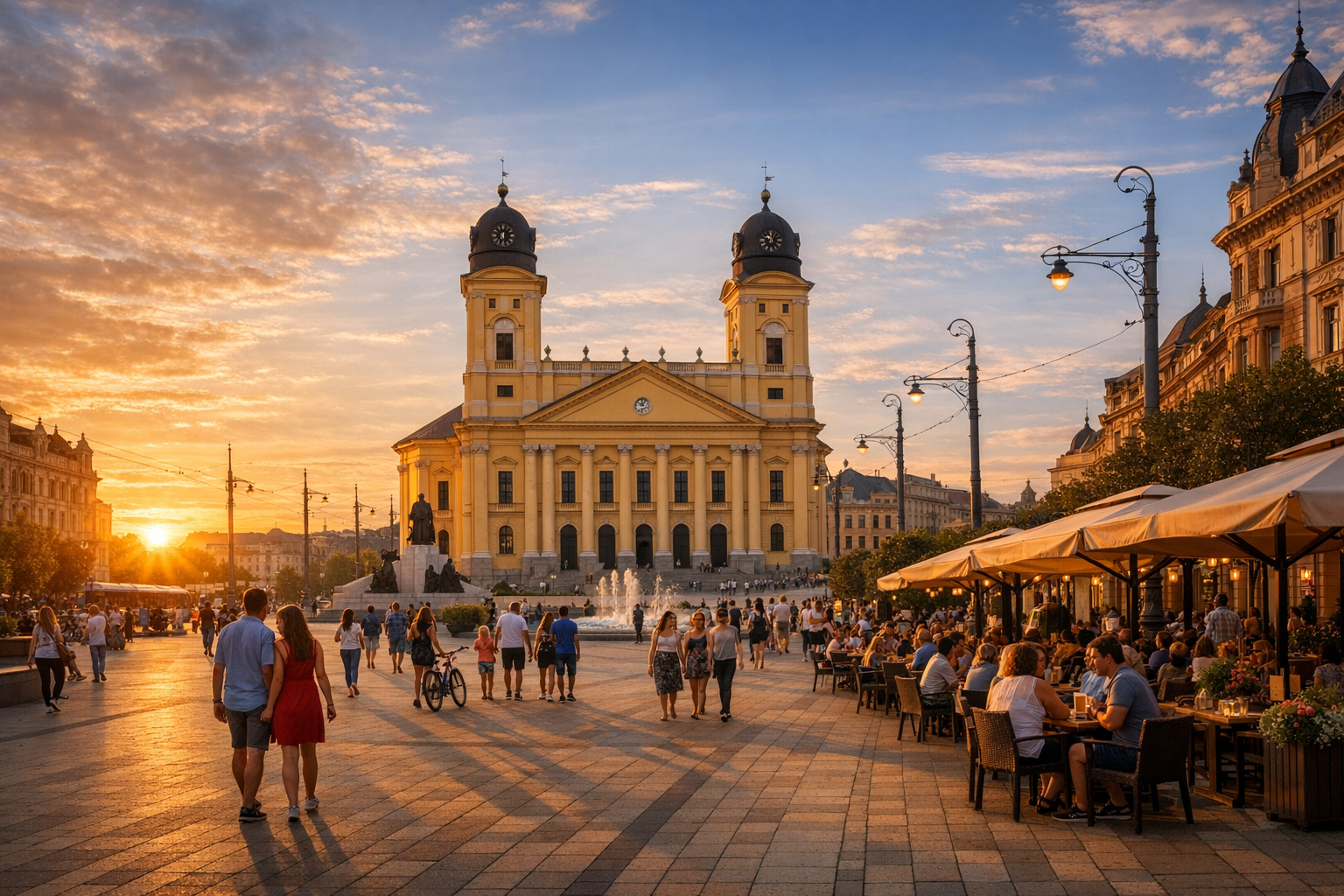
Debrecen is a city that rewards patience. The first week, you'll notice the quiet; the first month, the affordability; and by month three, the small Wednesday farmer's market on Csapó utca, the tram whistle as it bends into Kossuth tér, the fact that your neighbours actually know your name. This is the guide we wish someone had handed us.
The numbers
Cost of living in Debrecen
Debrecen is significantly cheaper than Budapest and a fraction of Western European prices. Here's a realistic single-person breakdown for 2024–2025.
| Expense | Monthly (HUF) | Monthly (EUR) |
|---|---|---|
| 1-bed apartment (city centre) | 140,000–220,000 | €350–550 |
| Utilities (electric, gas, water, internet) | 50,000–70,000 | €125–175 |
| Groceries (single person) | 60,000–90,000 | €150–225 |
| Public transport (monthly pass) | 5,400 | €14 |
| Dining out (occasional) | 30,000–50,000 | €75–125 |
| Phone plan | 3,000–5,000 | €8–13 |
| Total · comfortable living | 280,000–440,000 | €700–1,100 |
-
1-bed apartment (city centre)
140,000–220,000 €350–550 -
Utilities (electric, gas, water, internet)
50,000–70,000 €125–175 -
Groceries (single person)
60,000–90,000 €150–225 -
Public transport (monthly pass)
5,400 €14 -
Dining out (occasional)
30,000–50,000 €75–125 -
Phone plan
3,000–5,000 €8–13 -
Total · comfortable living
280,000–440,000 €700–1,100
Where to live
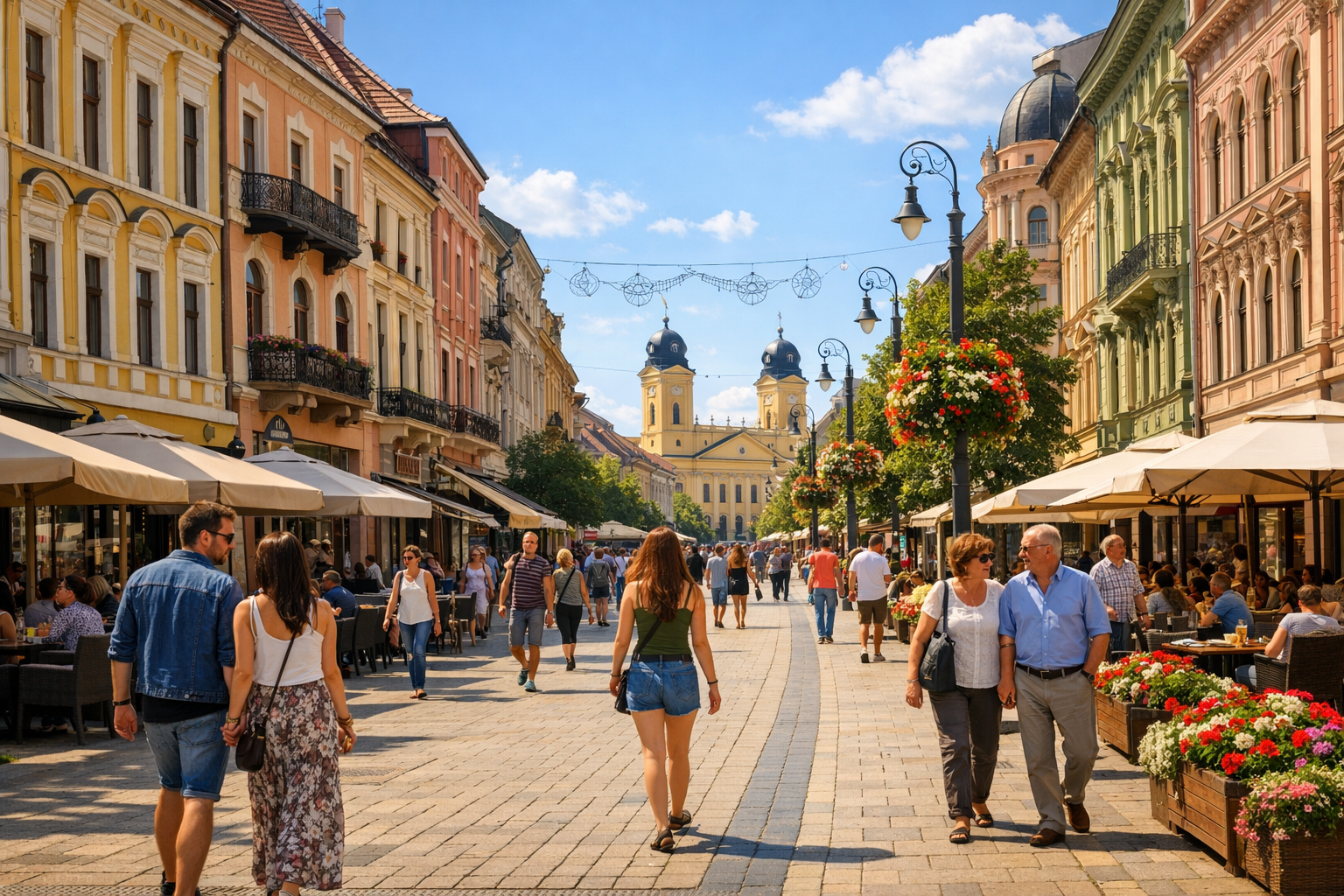
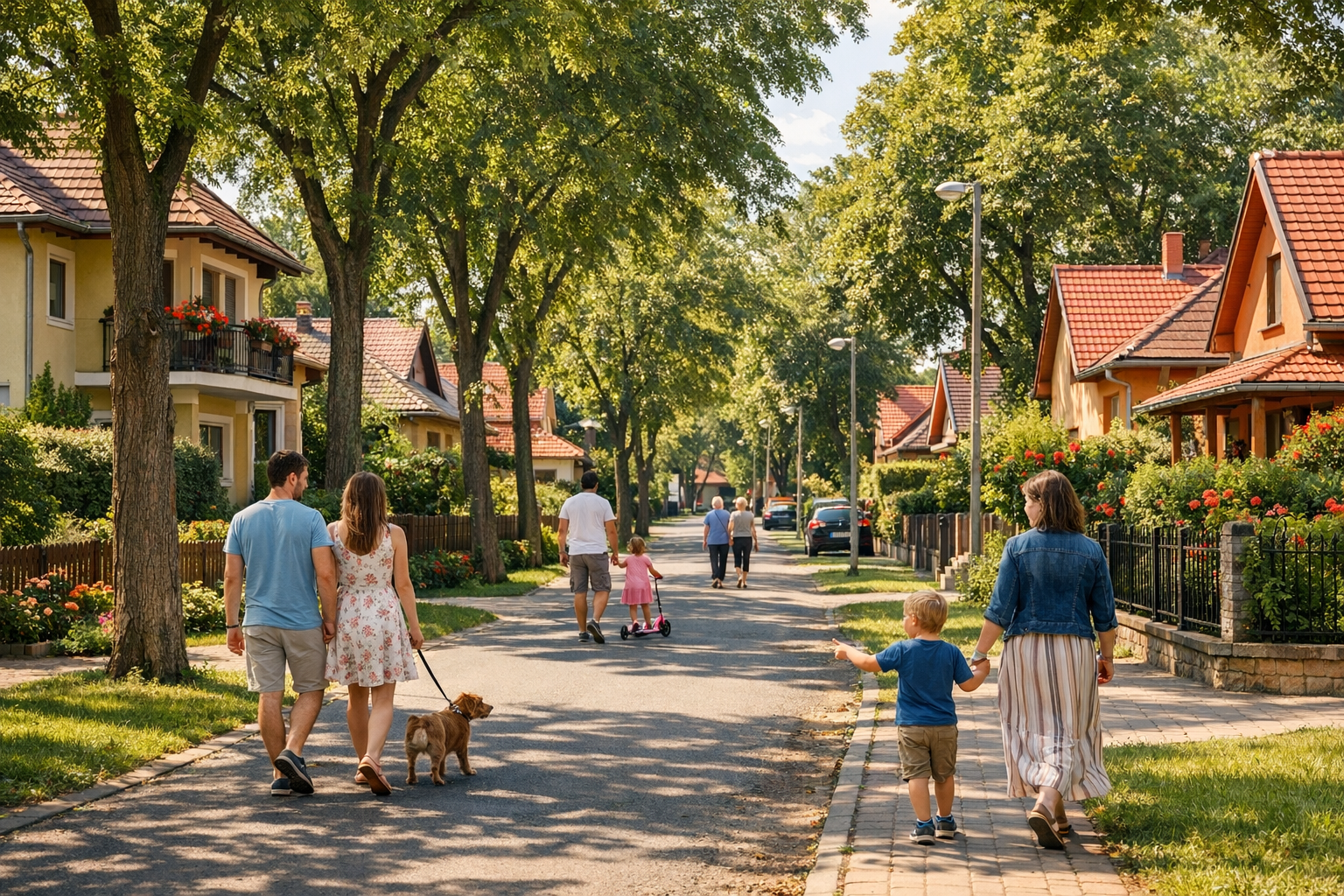
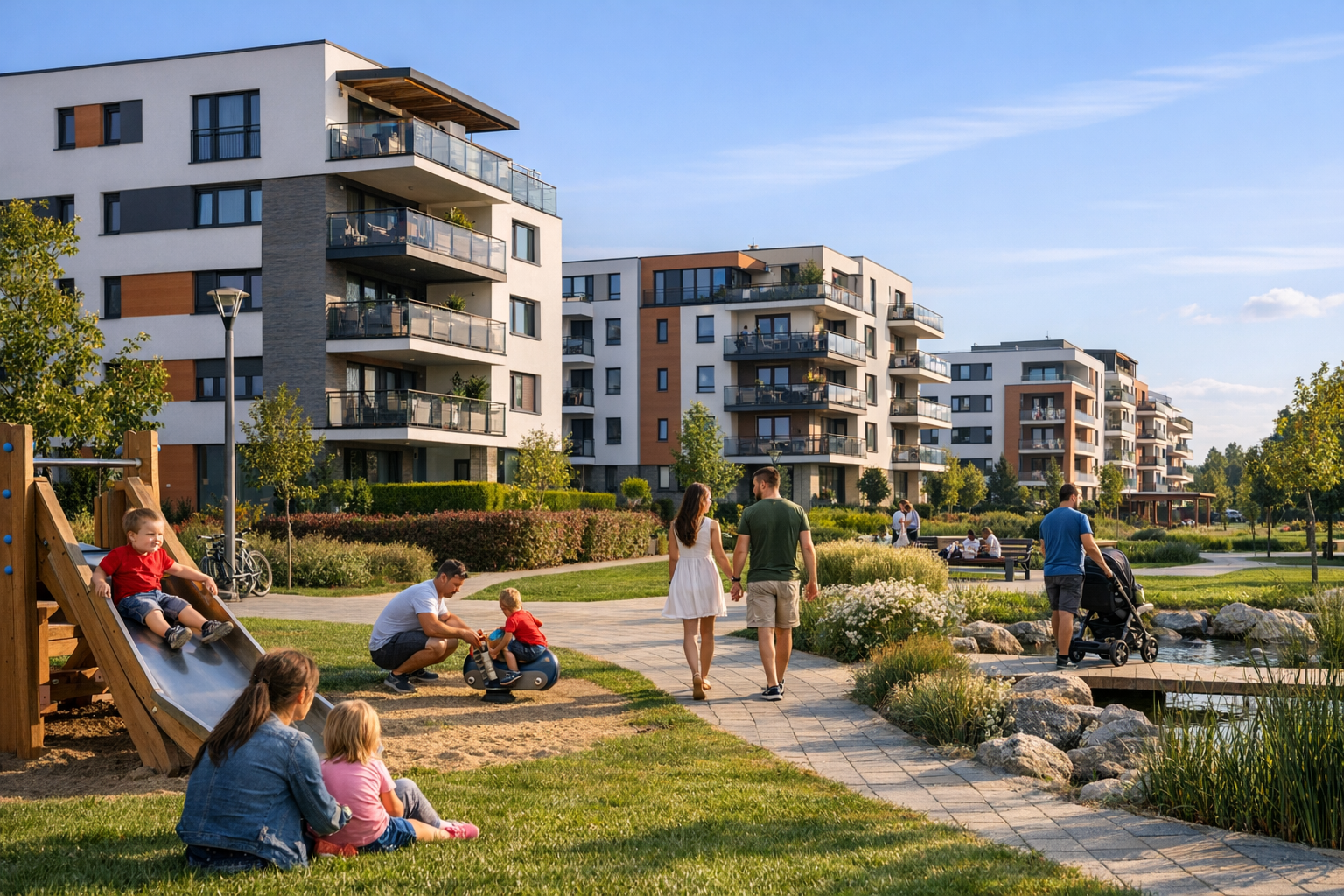
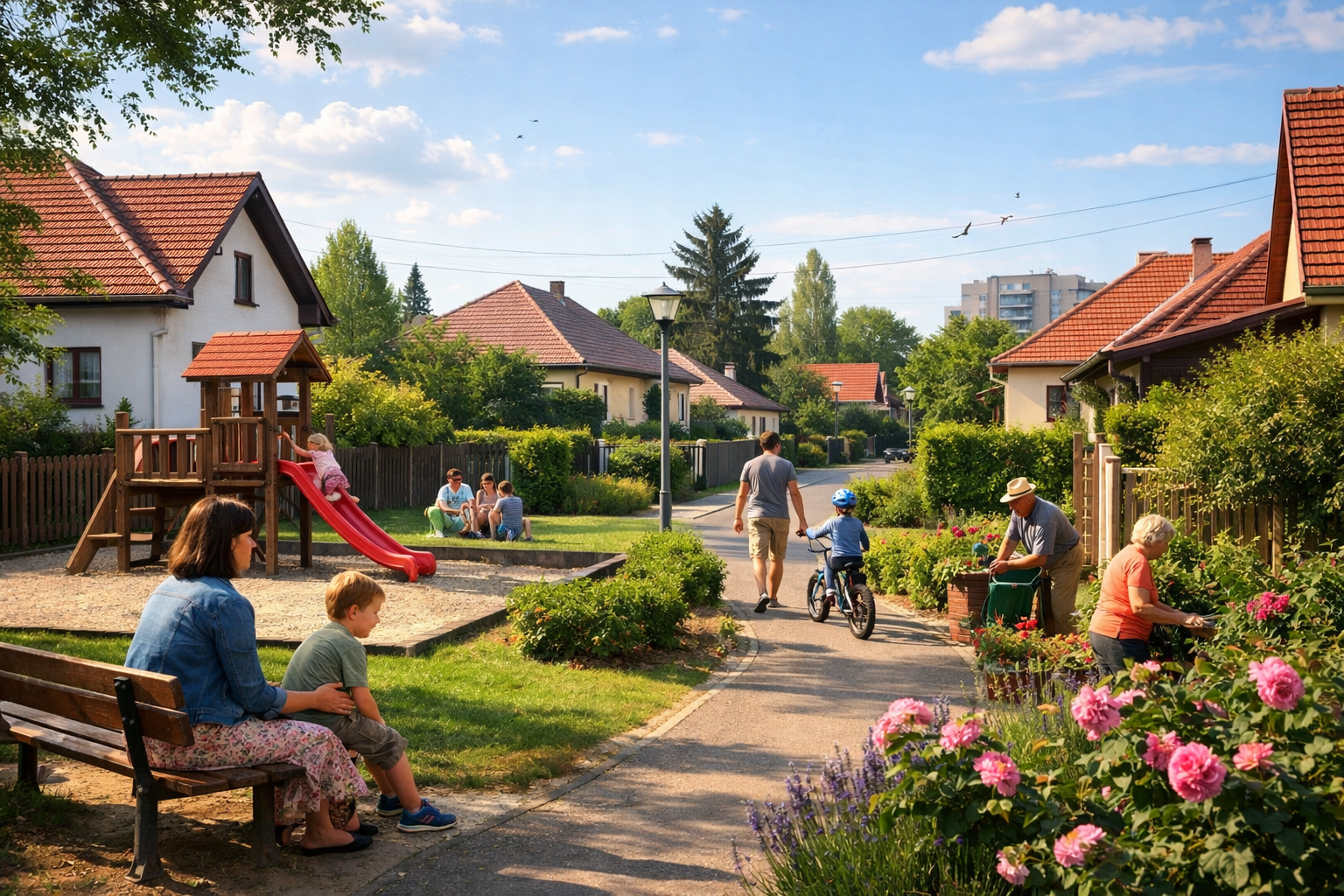
The four neighborhoods that matter first
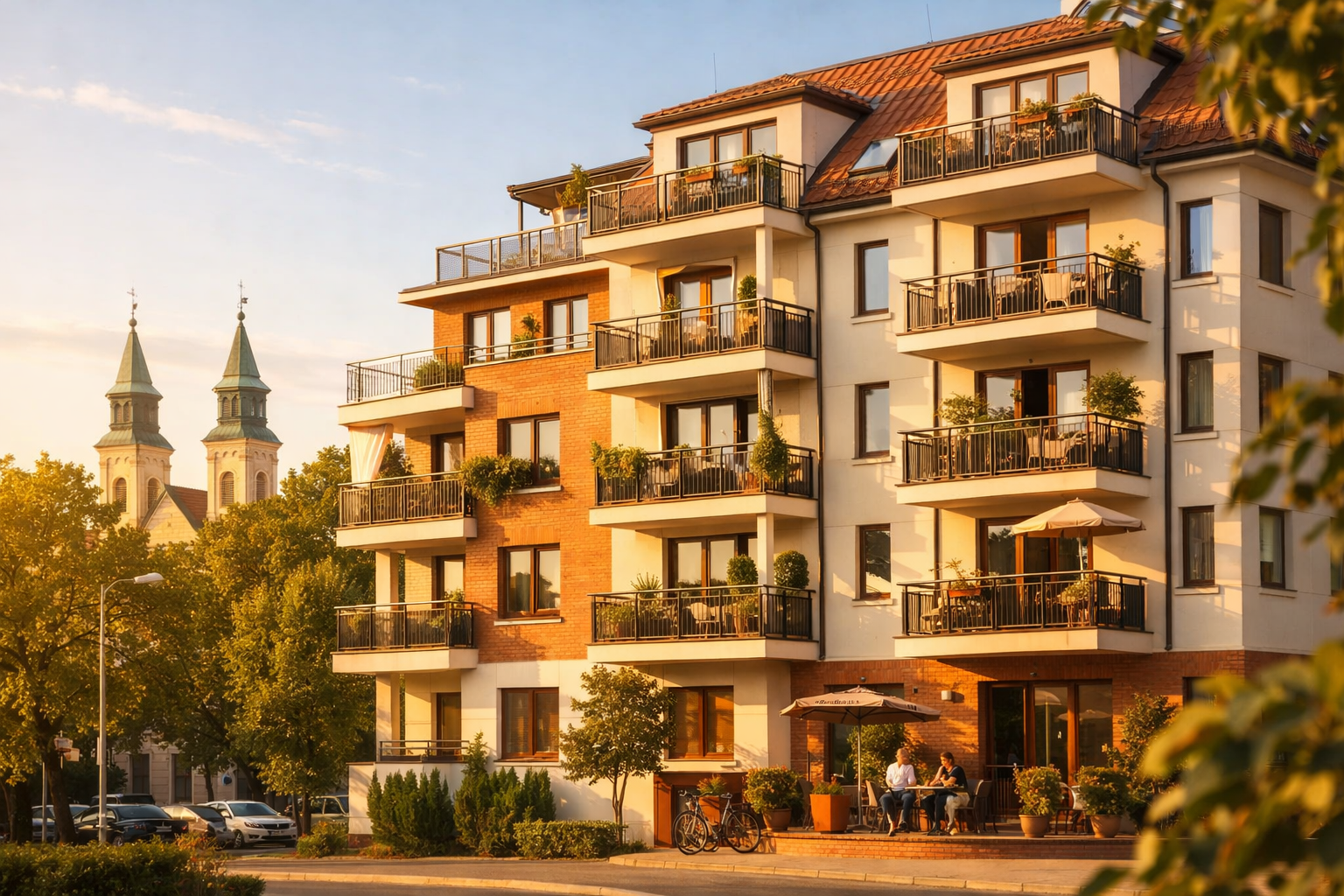
Debrecen is walkable and flat, so "neighborhood" means less than it does in Budapest. But these four cover most expat situations.
Getting around
Trams, buses, bikes, and when you actually need a car
Public transport runs on DKV (Debreceni Közlekedési Vállalat) — two tram lines plus an extensive bus network covering every neighborhood. A monthly pass is about 5,400 HUF (~€14), one of the cheapest in Europe.
Tram 1 is the artery: north–south through the centre, connecting the train station to the university and Nagyerdő. Tram 2 loops east. Both run every 5–10 minutes during the day and stop around midnight.
The city is flat and genuinely bikeable from April through October. The nextbike public rental system covers the centre. Most working expats commute by bike in summer and tram in winter.
You can live here car-free. A car pays for itself if you do weekend trips, live in Sestakert or Újkert, or have kids in multiple activities.
Shopping
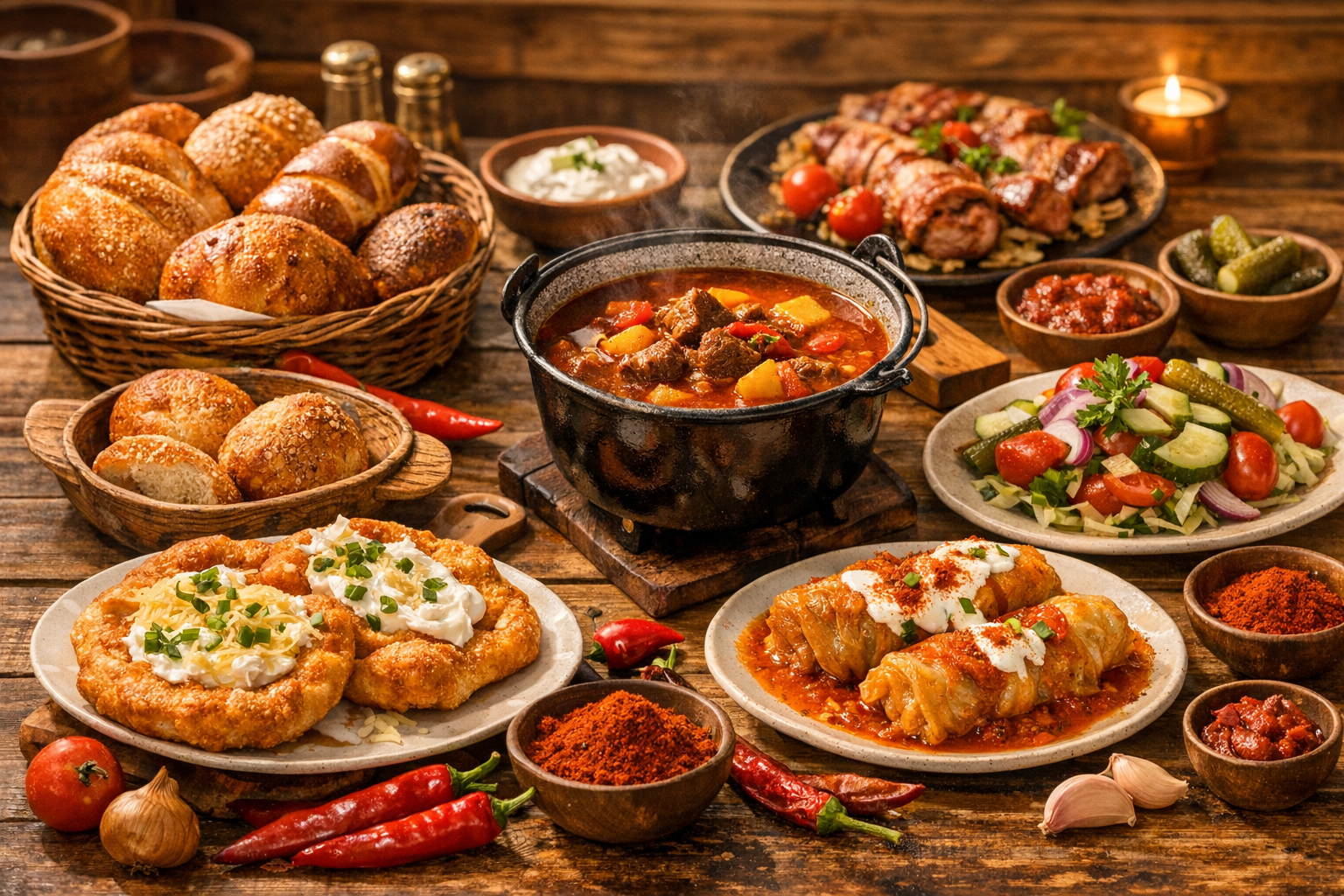
Groceries, markets, and where to find the unfindable
Language
Hungarian is hard. You'll survive without it. You'll thrive with it.
Hungarian is Finno-Ugric — unrelated to English, German, or its neighbours. Expect to be bad at it for a year. Learning even 20 phrases changes how locals treat you.
The essentials: Szia (hi/bye) · Köszönöm (thank you) · Elnézést (excuse me) · Beszél angolul? (Do you speak English?) · Mennyibe kerül? (How much?) · Kérek szépen (I'd like, please).
English is fine under 40 and at the university. It drops off fast at government offices (kormányablak), smaller shops, and doctors' receptions. Google Translate with the Hungarian offline pack is essential for the first year.
Keep going